Career
How To Start A Dog Breeding Business In Nigeria| Local Vs Foreign Breeds
Commercial dog breeding has rapidly become one of Nigeria’s most profitable ventures, attracting entrepreneurs from various sectors. The dog breeding business offers immense opportunities for those passionate about canines. With rising demand for both guard and companion dogs, individuals can now turn this passion into a sustainable income source. Mygotovet understands that starting a kennel requires more than just love for dogs, it demands strategic planning, ethical standards, and business acumen.
Understanding the Dog Breeding Industry in Nigeria
The Nigerian dog market has witnessed steady growth in recent years. Increasing insecurity and a growing middle class have fueled the demand for dogs, especially those trained for protection. Additionally, pet ownership is becoming a lifestyle trend, creating fresh opportunities for breeders.
Dog breeding has evolved from a hobby to a structured business model. Investors now recognize its potential as a profitable agricultural and commercial venture. With proper management and choice of breeds, a single litter can yield significant returns. A female dog can whelp twice a year, producing six to ten puppies per litter, each sold for ₦100,000 to ₦700,000 depending on pedigree and breed quality.
Choosing the Right Breeds for Your Dog Farm
One of the most important steps in establishing a dog breeding business in Nigeria is selecting the right breeds. Breed choice determines not only profitability but also the type of customers you attract.
High-Demand Foreign Breeds in Nigeria
Foreign or exotic breeds dominate the Nigerian market because they are highly sought after for security, prestige, and aesthetics. Popular breeds such as Rottweilers, German Shepherds, Caucasian Shepherds, Boerboels, and French Bulldogs remain bestsellers nationwide. For example, Rottweiler puppies can fetch up to ₦1,000,000 each, while Caucasians and Boerboels also command impressive prices due to their intimidating presence and loyalty.
Advantages and Challenges of Local Breeds
On the other hand, local breeds are hardy, adaptable, and less expensive to maintain. However, they face lower market demand and limited profitability. Many breeders now crossbreed local dogs with exotic ones to enhance their traits and appeal to a wider buyer base. This approach combines the resilience of local breeds with the aesthetic and behavioral qualities of imported ones.
Step-by-Step Guide to Starting Your Dog Breeding Business
RECOMMENDED:
How To Talk To Veterinarian Online In Nigeria With MyGotoVet
Top 5 Online Veterinary Platforms in Nigeria [2025]
Find A Vet In Nigeria: Cost, Consult & Online Verification
1. Business Registration and Legal Requirements
Formalizing your venture is crucial. Start by registering your kennel name with the Corporate Affairs Commission (CAC). You should also obtain necessary local licenses to operate legally. Developing a well-structured business plan helps you assess capital needs, expected profit, and potential risks.
In addition, aspiring breeders can benefit from government schemes such as the AGSMEIS loan, which offers up to ₦3 million without collateral to trained entrepreneurs. Such funding opportunities make it easier to scale operations responsibly.
2. Securing Capital and Building Your Kennel
Starting small is wise. Initial costs can range between ₦800,000 and ₦1.5 million, depending on the breeds and scale of operations. Expenses include purchasing breeding stock, constructing kennels, vaccination, feeding, and veterinary care.
Choose a quiet, spacious location with good drainage and ventilation. Your kennel should be easy to clean, secure, and designed to protect dogs from heat and rain.
3. Sourcing and Managing Quality Stock
Always buy healthy dogs from certified breeders with documented pedigrees. Verify that each animal has undergone proper health checks to avoid genetic complications. DNA testing and microchipping help maintain breed integrity and traceability. Ethical breeders like those affiliated with the Boerboel Dog Breeders Association of Nigeria (BDBAN) often provide transparent records, ensuring trust and credibility.
4. Best Practices for Kennel Management and Animal Care
A thriving dog breeding business in Nigeria relies heavily on proper care and management. Healthy, well-trained dogs produce strong, desirable puppies, ensuring customer satisfaction and repeat sales.
Feeding should include a balanced mix of protein, fats, and vitamins. While many breeders prefer homemade diets, using scientifically formulated feeds can enhance growth and fertility. Regular deworming and vaccination schedules are vital to prevent diseases such as parvovirus and leptospirosis, which can wipe out entire litters. Puppies should receive their first vaccine around six weeks, with follow-up shots every two weeks, and a rabies vaccine after six months.
Managing the breeding process scientifically improves productivity. Female dogs should be mated during the second week of heat, and gestation lasts approximately 63 days. Prepare a clean, quiet whelping area to minimize stress during delivery. Routine veterinary checkups through trusted platforms like Mygotovet can help detect health issues early and prevent costly losses.
5. Marketing and Selling Your Puppies Successfully
Marketing plays a key role in achieving profitability. Puppies are usually ready for sale between six and ten weeks after their first vaccination. Provide buyers with vaccination cards and detailed breed information to establish credibility.
Using digital platforms such as Instagram, TikTok, and Jiji.ng can significantly increase visibility. Posting high-quality images, videos, and testimonials from satisfied buyers builds trust. Networking with veterinarians, pet stores, and dog trainers also helps generate consistent referrals. Transparency, honesty, and professionalism will make your brand stand out in a growing market.
6. Ethical and Legal Considerations
While profitability is important, maintaining ethical breeding practices is even more crucial. Overbreeding, inbreeding, and neglect lead to poor animal welfare and tarnish the breeder’s reputation. Nigeria’s Criminal Code Section 495 protects animals against cruelty, although enforcement is still limited.
Responsible breeders should avoid harmful practices such as tail docking or breeding females too frequently. Promoting animal welfare not only aligns with global standards but also enhances your brand’s credibility.
Profitability Tips and Long-Term Growth
Sustaining a successful dog breeding enterprise requires consistency and innovation. Reducing feed waste, negotiating bulk veterinary supplies, and automating cleaning systems can all lower operating costs. Breeders can also expand their business by offering related services such as dog training, grooming, boarding, or veterinary consultancy.
Building long-term partnerships with trusted veterinary clinics and registering with breeder associations helps increase reputation and access to better markets. Above all, experience plays a major role, each breeding cycle improves your understanding of animal behavior, customer preference, and market timing.
In summary, starting a dog breeding business in Nigeria is not just a profitable endeavor, it’s a fulfilling one. With the right mix of passion, planning, and professional guidance, you can turn your love for dogs into a thriving business. By selecting the right breeds, maintaining high welfare standards, and leveraging digital marketing, success is within reach.
For expert veterinary advice, premium care products, or breeding consultation, visit Mygotovet today and take your kennel business to the next level. Start now, because every great breeding story begins with the right first step.
Frequently Asked Questions on Starting a Dog Breeding Bussiness in Nigeria
1. How much does it cost to start a dog breeding business in Nigeria?
Starting a dog breeding business in Nigeria typically costs between ₦800,000 and ₦1.5 million for a small-scale setup. This amount covers breeding stock, kennel construction, vaccination, feeding, and veterinary care. However, the cost may rise if you focus on high-end foreign breeds like Rottweilers or Boerboels, which require better housing and nutrition.2. Is dog breeding profitable in Nigeria?
Yes, dog breeding is highly profitable in Nigeria when managed properly. A single female can produce 6–10 puppies per litter, and each puppy can sell for ₦100,000 to over ₦700,000, depending on the breed and quality. Breeders who invest in proper veterinary care, nutrition, and marketing, such as through trusted services like Mygotovet, often see consistent profits year after year.3. Which dog breeds are most profitable to breed in Nigeria?
The most profitable breeds for the Nigerian market include Rottweilers, German Shepherds, Boerboels, French Bulldogs, and Caucasian Shepherds. These breeds are in high demand for both security and companionship. While local breeds are less expensive to raise, crossbreeding them with foreign types can help improve their value and appeal to buyers.4. Do I need a license to start a dog breeding business in Nigeria?
Yes, it is advisable to register your kennel with the Corporate Affairs Commission (CAC) and obtain any necessary local licenses. Doing so not only legitimizes your business but also helps you access government programs like the AGSMEIS loan, which supports small-scale entrepreneurs. Proper documentation also builds credibility with buyers and investors.5. What challenges do dog breeders face in Nigeria?
Common challenges include high feeding costs, disease outbreaks, and lack of access to quality veterinary care. Inconsistent demand for certain breeds and unethical breeding practices can also reduce profitability. However, with platforms like Mygotovet, breeders can easily access veterinary advice, vaccines, and care supplies to maintain healthy and market-ready dogs.6. How can I market my puppies effectively?
Marketing plays a huge role in your success. You can sell your puppies through social media (Instagram, TikTok, Facebook), classified websites like Jiji.ng, or even veterinary clinics and dog training centers. High-quality images, health certificates, and transparency about the breed’s background attract serious buyers faster and boost your reputation.7. What is the best location for setting up a dog breeding business in Nigeria?
An ideal kennel location should be quiet, clean, spacious, and well-ventilated, preferably on the outskirts of the city. This reduces noise complaints and allows dogs to thrive in a natural, stress-free environment. Proper drainage and sanitation are also crucial to prevent infections and odors.8. What are the essential vaccinations for dogs in Nigeria?
Dogs should be vaccinated against Parvovirus, Leptospirosis, Distemper, and Rabies. The first vaccination usually occurs at six weeks, with boosters every two weeks, and rabies vaccination around six months of age. Working with certified veterinarians, through platforms like Mygotovet, ensures your dogs stay healthy and compliant with animal health standards.9. Can I breed dogs as a side business in Nigeria?
Absolutely. Many Nigerians run small-scale kennels alongside full-time jobs. With proper time management and a reliable caretaker, it’s possible to earn consistent income. However, dog breeding requires dedication, especially during mating, pregnancy, and whelping periods, when dogs need close supervision and expert care.10. Are there ethical concerns about breeding dogs in Nigeria?
Yes, ethical breeding is essential. Avoid overbreeding, inbreeding, and harmful practices like tail docking without anesthesia. Ensure that dogs are raised in humane conditions with proper nutrition, space, and medical care. Ethical breeders not only gain better customer trust but also command higher prices for their puppies.11. How do I improve the quality of local dog breeds?
Crossbreeding local dogs with foreign breeds can enhance size, temperament, and market value. For example, crossing a Nigerian mongrel with a German Shepherd can produce stronger, more intelligent offspring. Over time, this strategy can make local breeds more competitive and profitable in Nigeria’s growing dog market.12. How can I ensure the success of my dog breeding business in Nigeria?
To succeed, combine passion with professionalism. Focus on breeding quality over quantity, maintain proper records, provide good nutrition, and invest in early marketing. Building relationships with buyers, veterinarians, and breeders will also help you grow your brand. With consistent effort and expert guidance from Mygotovet, your business can thrive long-term.Animal Health & Blogs

04 December 2025
0 likesFinding a veterinarian in Africa can be challenging, especially when finances, distance, busy schedules, or emergen ...
Read More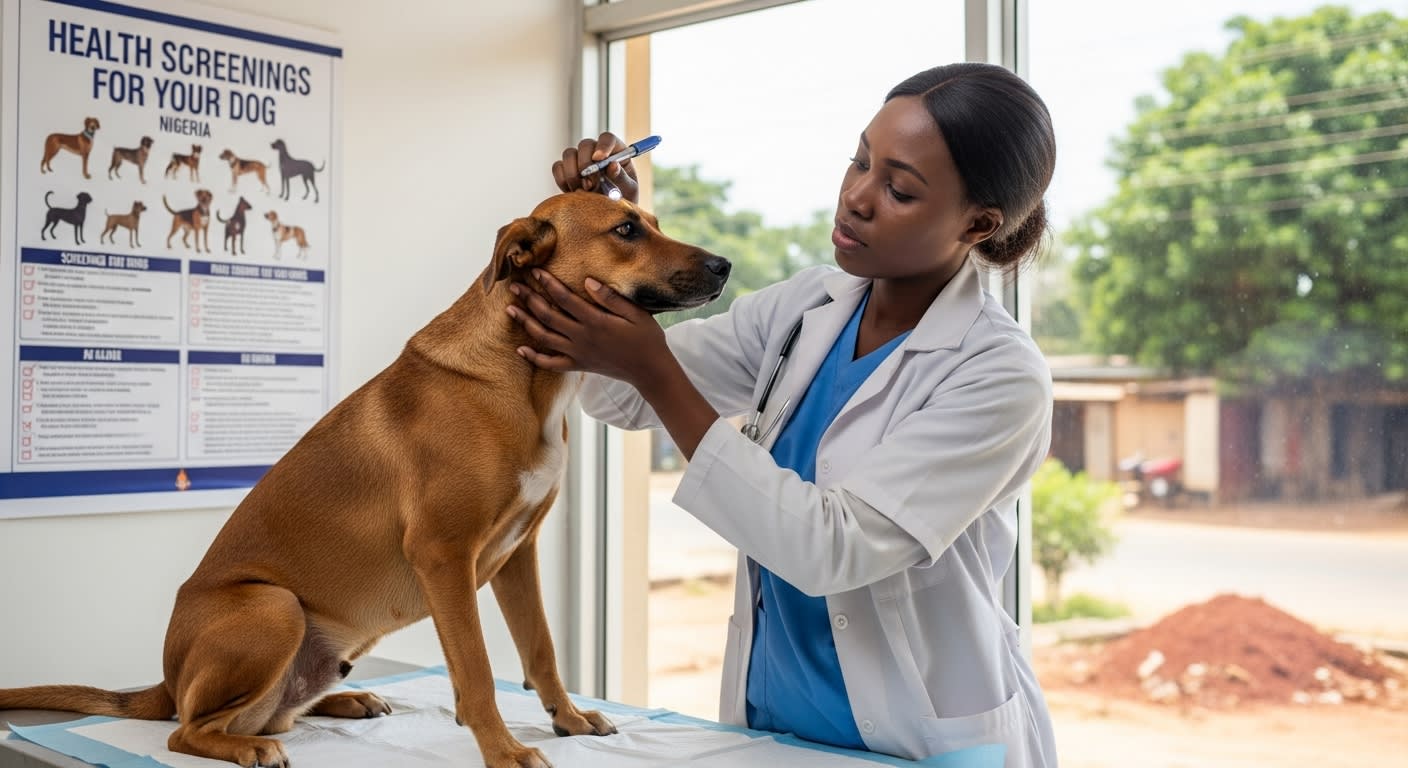
25 November 2025
0 likesKeeping your dog healthy requires more than love, food, and grooming; it requires understand ...
Read More
25 November 2025
0 likesWelcoming a new puppy into your home is exciting, but it also comes with important decisions ...
Read More