Pet Health & Veterinary Care
Pet Pregnancy: Labor Signs, Complications & Management
Pet Pregnancy can feel both exciting and nerve-wracking for pet owners. Fortunately, when you understand the common labor signs, possible complications, and how to manage delivery safely, you can support your dog or cat through the process confidently. In most cases, pets give birth naturally; however, you must recognise early warning signs and know when to call a veterinarian. Throughout this guide, you will learn how labor works, what complications to watch for, and how veterinary platforms like Mygotovet help pet owners across Nigeria and Africa access trusted veterinary care quickly.
Pet Pregnancy: Labor Signs & Safe Delivery Guide
Understanding Pet Pregnancy and the Labor Process
Generally, Pet Pregnancy lasts about 63 days for dogs and around 63–65 days for cats (roughly two months in both dogs and cats). During the final week, you will notice physical and behavioural changes that signal delivery is approaching.
For example, many dogs start nesting. A Labrador owner in Abuja once shared that her dog began dragging old blankets into a quiet corner two days before labor started. Meanwhile, cats may become unusually affectionate or hide in quiet spaces.
Because every pet behaves differently, daily monitoring becomes essential. As labor approaches, your pet’s body prepares gradually for delivery.
Early Signs Your Pet Is Going Into Labor
Several early signs indicate that labor may begin within 24 hours.
First, many pets display restlessness and nesting behaviour. Dogs may scratch bedding or move repeatedly between resting spots.
Secondly, body temperature drops slightly before labor. In dogs especially, temperature often falls from about 38.5°C to around 37°C.
Another common sign includes loss of appetite. Even food-loving pets suddenly refuse meals.
Additionally, you might notice increased licking around the genital area, which signals that the body is preparing for delivery.
When these signs appear together, pet owners should stay alert and monitor progress carefully.
Read How To Talk To Veterinarian Online In Nigeria With MyGotoVet
Stages of Labor in Pets
Understanding labor stages helps you recognise what is normal.
- Stage One: Preparation
During this stage, contractions begin internally while the cervix dilates. Pets appear restless and may pant frequently. This stage may last 6–12 hours.
- Stage Two: Delivery
At this point, visible contractions begin. Puppies or kittens are delivered one at a time. Usually, each birth occurs 30–60 minutes apart.
- Stage Three: Placenta Expulsion
After each baby, the placenta follows. Mothers often eat the placenta, which is normal behaviour.
Recommended Articles:
Emergency Vet Services In Abuja: Price, Home Service & Teleconsult
Domestic Vs International Pet Travel Requirements In Nigeria
Common Poisons In Pets: Symptoms & What To Do Fast
Normal Timeline for Pet Delivery
Delivery length varies depending on the number of babies. Dogs typically give birth within 6–12 hours, although large litters can take longer.
For instance, a breeder in Lagos once reported that his German Shepherd delivered eight puppies over nearly ten hours. Although that sounds long, the process remained completely normal.
However, if no puppy appears after 2 hours of strong contractions, veterinary attention is necessary.
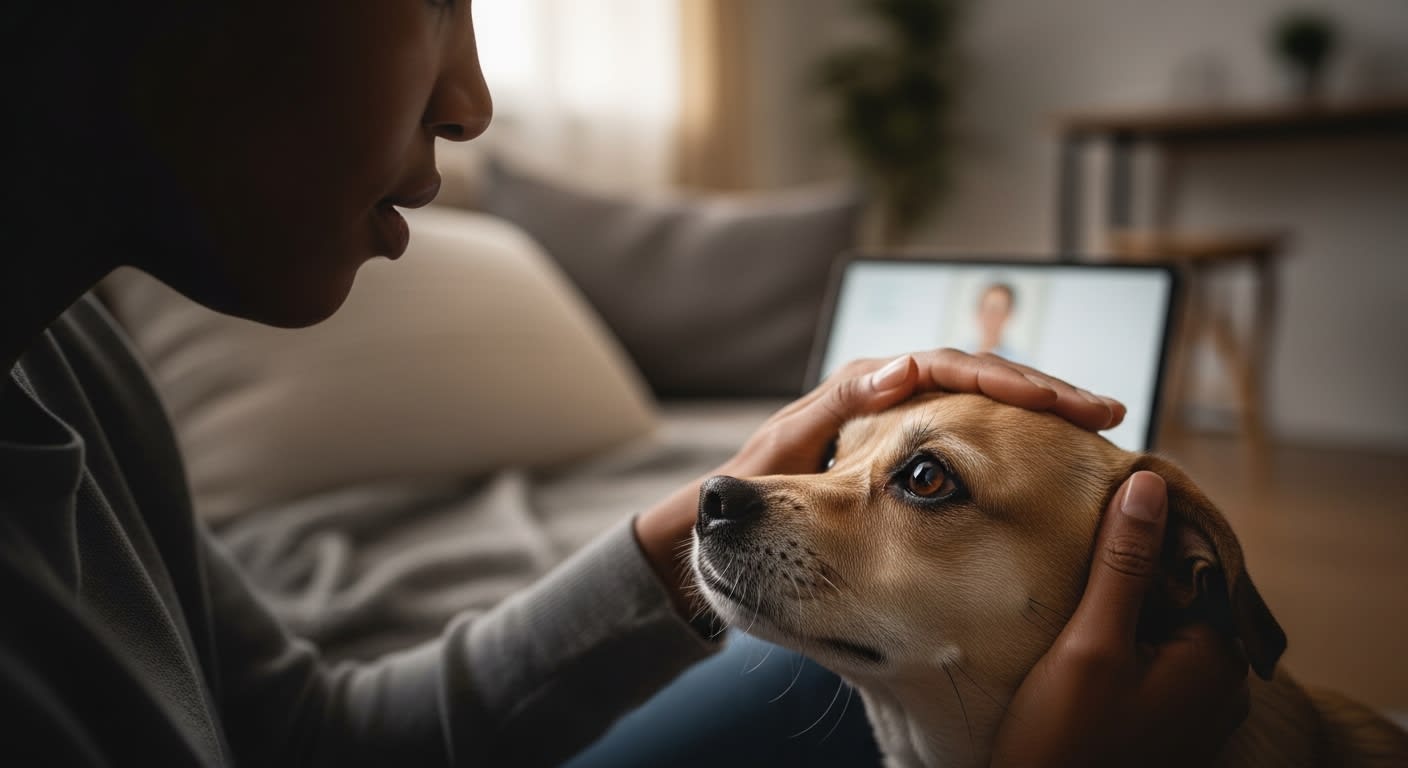
This is exactly where Mygotovet becomes valuable. The platform connects pet owners to experienced veterinary professionals quickly, ensuring help is never far away.
Warning Signs of Labor Complications
Although many births go smoothly, complications sometimes occur.
Watch carefully for these danger signs:
-
Strong contractions lasting more than two hours without delivery
-
Excessive bleeding or foul-smelling discharge
-
Extreme weakness or collapse during labor
-
A visible puppy or kitten stuck in the birth canal
A farmer in Kaduna once noticed his dog struggling for hours without delivering. Fortunately, he contacted a veterinarian through Mygotovet, and emergency care saved both the mother and her puppies.
Early intervention often makes the difference. Send a Direct WhatsApp message
Preparing for Your Pet’s Delivery
Preparation makes labor safer for both mother and babies.
Start by creating a quiet whelping area using clean blankets or towels. Choose a warm, calm room away from noise.
Next, gather essential supplies such as clean cloths, gloves, and a thermometer.
Most importantly, save contact details for a trusted veterinarian. If complications occur, quick professional advice helps prevent serious problems.
With Mygotovet, pet owners across Nigeria can easily access virtual consultations, home visits, or nearby veterinary clinics when needed.
Caring for the Mother and Newborns After Birth
Once delivery finishes, focus shifts to recovery and newborn care.
First, ensure each puppy or kitten begins nursing. Early feeding provides essential antibodies.
Meanwhile, monitor the mother for unusual symptoms such as fever, foul discharge, or extreme weakness.
Nutrition also matters. Nursing mothers require extra calories and constant access to fresh water.
If any health concerns appear, a quick consultation through Mygotovet allows you to speak with verified veterinary professionals who understand the needs of pets across Africa.
Healthy Pets = Smooth Delivery
Pet Pregnancy can be a wonderful journey when pet owners understand labor signs, complications, and proper management. By recognising early warning signals, preparing for delivery, and monitoring newborn care, you protect both mother and babies.
Nevertheless, professional veterinary support remains essential. Whenever you feel unsure about labor signs or complications, consult a trusted veterinarian immediately.
Mygotovet makes that support easier. Through their network of verified veterinary clinics and professionals across Nigeria and Africa, pet owners can access consultations, home visits, and urgent care quickly.
If your pet is pregnant or showing signs of labor, reach out to Mygotovet today for expert guidance and reliable veterinary support. Book a 10-minute virtual vet consultation today and get fast, reliable veterinary advice from the comfort of your home.
Get authentic medications, supplements, food, and pet care essentials delivered to your door when you Shop on MyGoToVet
Want more clients, online bookings, and visibility? List your Veterinary practice on MyGoToVet today and start reaching pet owners near you.
24/7 Support:
Join our WhatsApp Community
Connect on:
X | Facebook | Instagram | LinkedIn | YouTube
Frequently Asked Questions on Pet Pregnancy
What are the first signs of pet pregnancy labor in dogs or cats?
Early labor signs usually appear within 24 hours before delivery. Most pets become restless and start nesting in quiet areas. Dogs may tear blankets or dig bedding, while cats often hide in secluded spaces. A noticeable drop in body temperature also occurs shortly before labor. Additionally, pets may refuse food or lick their genital area frequently. Monitoring these behaviors closely helps you prepare for delivery and contact a veterinarian if needed.
How long does labor usually last during pet pregnancy?
Labor duration varies depending on litter size and the animal’s health. Typically, dogs deliver puppies within 6–12 hours, while cats often complete delivery within 4–8 hours. Puppies or kittens usually arrive 30–60 minutes apart. However, if strong contractions continue for more than two hours without a baby being born, you should contact a veterinarian immediately.
When should I call a veterinarian during my pet’s labor?
You should seek veterinary help if labor continues for more than two hours without delivery, if the mother appears extremely weak, or if excessive bleeding occurs. Also, contact a vet if a baby appears stuck in the birth canal. Early professional intervention significantly improves survival chances for both the mother and newborns.
Can pets give birth safely without human help?
Yes, most dogs and cats give birth naturally without assistance. Their instincts usually guide them through the process. However, owners should still supervise the birth to identify complications early. Having access to veterinary support ensures you can act quickly if something goes wrong.
How can I help my pet during labor safely?
The best way to help is by creating a calm, clean, and warm birthing space. Stay nearby, observe quietly, and avoid interfering unless necessary. If a newborn struggles to breathe, gently rubbing it with a clean towel can stimulate breathing. When in doubt, contacting a veterinarian ensures you provide the safest care possible.
Animal Health & Blogs
05 March 2026
0 likesWhen a pet suddenly collapses, stops eating, or starts vomiting repeatedly, every minute matters. Emergency vet se ...
Read More
03 March 2026
0 likesIf you’re planning to relocate or travel with your furry companion, understanding Read More
03 March 2026
0 likesIf you’re searching for the Best Veterinary Practices in Umuahia, Abia ...
Read More