Pet Accessories
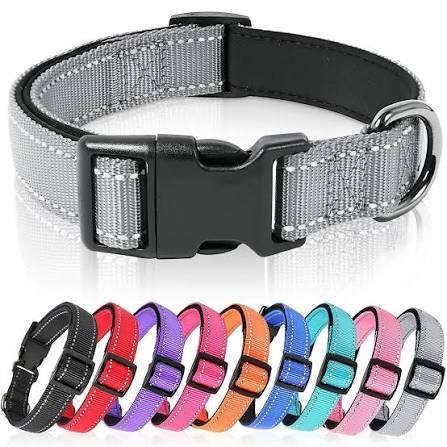
Sturdy & Heavy-Duty Collar for Dogs (Medium size)
₦1,000
In stock
Sturdy & Heavy-Duty Collar for Dogs (Medium size)
Dog Collar is an essential everyday accessory for dogs, providing a convenient way to attach identification tags and, where appropriate, a leash. A properly fitted collar can be useful for daily walks, outdoor activities, basic handling, vet visits and keeping your dog's identification information close at hand.
Standard flat collars are among the most commonly used dog collars because they are simple, practical and suitable for many dogs. However, the correct size and fit are important. A collar that is too loose may allow a dog to escape, while one that is too tight can cause discomfort or place unnecessary pressure around the neck.
Why Use a Dog Collar?
A dog collar is more than just a fashion accessory. A properly fitted collar can hold your dog's identification information and provide an attachment point for a leash when appropriate.
Flat collars are widely used for everyday identification and walking, particularly for dogs that walk comfortably without pulling heavily.
For dogs that pull strongly on the leash, however, attaching the leash directly to a collar can place pressure on sensitive structures in the neck. In such situations, a suitable harness may provide a more appropriate walking option.
For everyday use, check the collar regularly to make sure it remains comfortable and secure.
Dog Collar for Identification Tags
One of the most important functions of a regular dog collar is providing a place for identification.
You can use an appropriate collar to carry:
1. Dog name tags
2. Owner contact information
3. Registration tags
4. Rabies vaccination tags where applicable
Keeping identification information on your dog's collar can be particularly useful if your pet accidentally gets separated from you. Humane World for Animals and veterinary guidance both identify collars as an important way to carry identification.
How to Choose the Right Dog Collar Size
Choose a collar based on your dog's actual neck measurement, rather than relying only on breed, age or weight.
To measure:
1. Use a flexible measuring tape.
2. Place it around your dog's neck where the collar will normally sit.
3. Keep the tape comfortably snug without pulling tightly.
4. Record the measurement.
5. Compare it with the collar's stated adjustable range.
6. Select a size that allows comfortable adjustment.
Different collars and manufacturers may use different sizing ranges, so always check the actual product dimensions before ordering.
If the Collar Is Too Tight
A collar that is excessively tight may cause:
Rubbing
Skin irritation
Discomfort
Unnecessary pressure around the neck
If the Collar Is Too Loose
A collar that is excessively loose may:
Slip over the dog's head
Allow the dog to escape
Rotate around the neck
Become caught on objects
Create an entanglement risk
Check the fit regularly, particularly for puppies that are growing quickly or dogs whose weight or coat changes.
How to Use a Dog Collar
1. Measure your dog's neck before selecting a collar.
2. Adjust the collar to the appropriate size.
3. Place it comfortably around your dog's neck.
4. Secure the buckle or fastening mechanism.
5. Apply the two-finger fit check.
6. Attach identification tags to the appropriate ring.
7. If the collar is being used for walking, attach the leash to the designated leash ring.
8. Observe your dog while walking and check for signs of discomfort.
9. Inspect the collar regularly for wear or damage.
Do not continue using a collar if the buckle, stitching, adjustment mechanism or attachment ring becomes unreliable.
Dog Collar Safety Tips
1. Always select the correct collar size.
2. Do not make the collar excessively tight.
3. Do not allow the collar to become excessively loose.
4. Check the fit regularly.
5. Inspect the buckle and leash attachment ring for damage.
6. Check your dog's neck for rubbing, redness or hair loss.
7. Replace worn or damaged collars.
8. Avoid leaving a collar where it can become dangerously entangled when your dog is unsupervised.
9. Use a suitable harness instead of relying on a collar alone when appropriate for your dog's walking needs.
10. Supervise dogs when using walking equipment.
Collar entanglement can cause serious injury, particularly during play or when a dog becomes caught on an object. Veterinary guidance recommends removing collars or other walking equipment when a dog cannot be appropriately supervised in situations where entanglement is possible.
Dog Collar is an essential everyday accessory for dogs, providing a convenient way to attach identification tags and, where appropriate, a leash. A properly fitted collar can be useful for daily walks, outdoor activities, basic handling, vet visits and keeping your dog's identification information close at hand.
Standard flat collars are among the most commonly used dog collars because they are simple, practical and suitable for many dogs. However, the correct size and fit are important. A collar that is too loose may allow a dog to escape, while one that is too tight can cause discomfort or place unnecessary pressure around the neck.
Why Use a Dog Collar?
A dog collar is more than just a fashion accessory. A properly fitted collar can hold your dog's identification information and provide an attachment point for a leash when appropriate.
Flat collars are widely used for everyday identification and walking, particularly for dogs that walk comfortably without pulling heavily.
For dogs that pull strongly on the leash, however, attaching the leash directly to a collar can place pressure on sensitive structures in the neck. In such situations, a suitable harness may provide a more appropriate walking option.
For everyday use, check the collar regularly to make sure it remains comfortable and secure.
Dog Collar for Identification Tags
One of the most important functions of a regular dog collar is providing a place for identification.
You can use an appropriate collar to carry:
1. Dog name tags
2. Owner contact information
3. Registration tags
4. Rabies vaccination tags where applicable
Keeping identification information on your dog's collar can be particularly useful if your pet accidentally gets separated from you. Humane World for Animals and veterinary guidance both identify collars as an important way to carry identification.
How to Choose the Right Dog Collar Size
Choose a collar based on your dog's actual neck measurement, rather than relying only on breed, age or weight.
To measure:
1. Use a flexible measuring tape.
2. Place it around your dog's neck where the collar will normally sit.
3. Keep the tape comfortably snug without pulling tightly.
4. Record the measurement.
5. Compare it with the collar's stated adjustable range.
6. Select a size that allows comfortable adjustment.
Different collars and manufacturers may use different sizing ranges, so always check the actual product dimensions before ordering.
If the Collar Is Too Tight
A collar that is excessively tight may cause:
Rubbing
Skin irritation
Discomfort
Unnecessary pressure around the neck
If the Collar Is Too Loose
A collar that is excessively loose may:
Slip over the dog's head
Allow the dog to escape
Rotate around the neck
Become caught on objects
Create an entanglement risk
Check the fit regularly, particularly for puppies that are growing quickly or dogs whose weight or coat changes.
How to Use a Dog Collar
1. Measure your dog's neck before selecting a collar.
2. Adjust the collar to the appropriate size.
3. Place it comfortably around your dog's neck.
4. Secure the buckle or fastening mechanism.
5. Apply the two-finger fit check.
6. Attach identification tags to the appropriate ring.
7. If the collar is being used for walking, attach the leash to the designated leash ring.
8. Observe your dog while walking and check for signs of discomfort.
9. Inspect the collar regularly for wear or damage.
Do not continue using a collar if the buckle, stitching, adjustment mechanism or attachment ring becomes unreliable.
Dog Collar Safety Tips
1. Always select the correct collar size.
2. Do not make the collar excessively tight.
3. Do not allow the collar to become excessively loose.
4. Check the fit regularly.
5. Inspect the buckle and leash attachment ring for damage.
6. Check your dog's neck for rubbing, redness or hair loss.
7. Replace worn or damaged collars.
8. Avoid leaving a collar where it can become dangerously entangled when your dog is unsupervised.
9. Use a suitable harness instead of relying on a collar alone when appropriate for your dog's walking needs.
10. Supervise dogs when using walking equipment.
Collar entanglement can cause serious injury, particularly during play or when a dog becomes caught on an object. Veterinary guidance recommends removing collars or other walking equipment when a dog cannot be appropriately supervised in situations where entanglement is possible.
Not sure your pet needs this product?
Consult a vet for customized care before you buy.
Consult a VetAdded to cart
